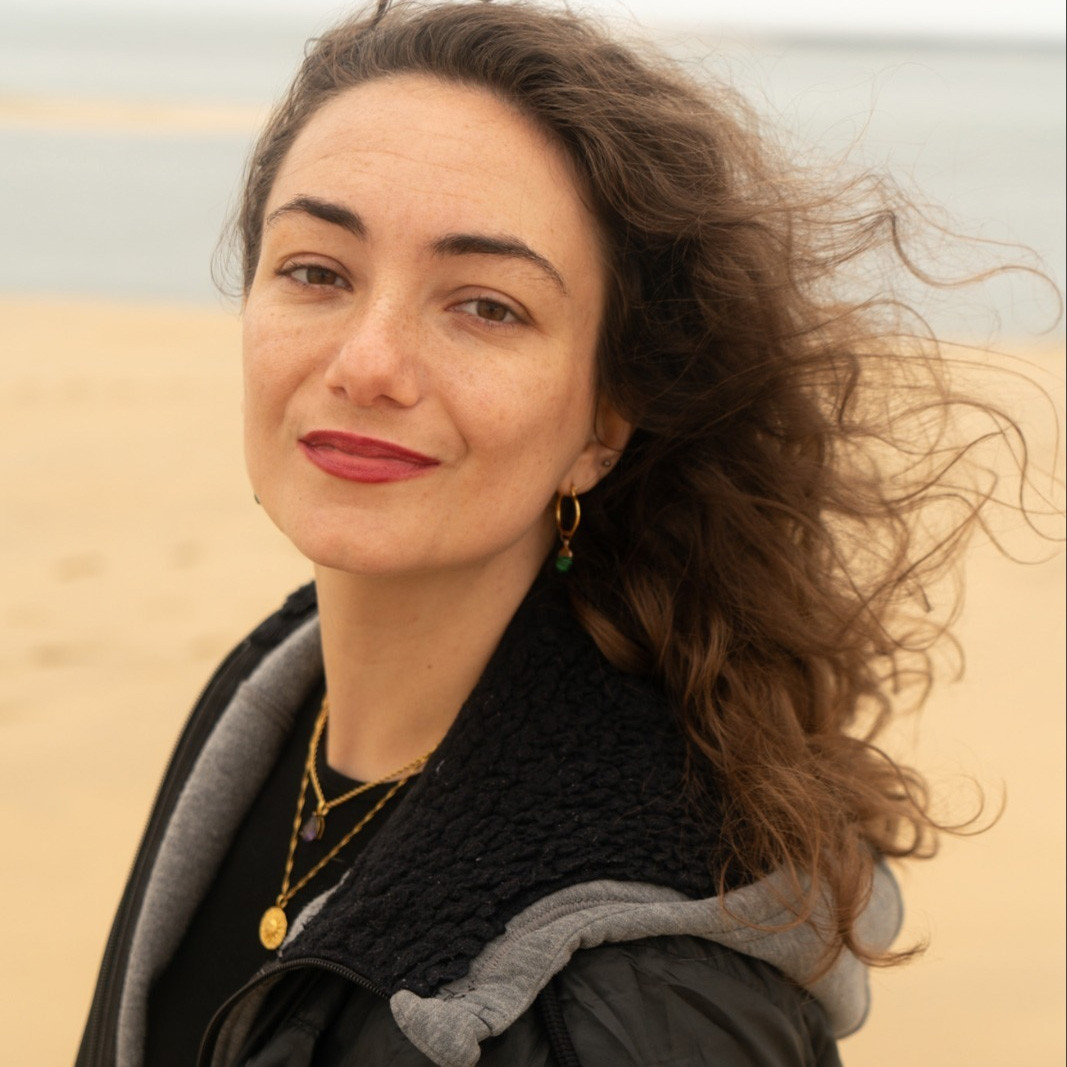
Erika Di Benedetto - OCCRP
July 17, 2026
It was an unexpectedly sunny day in Belgium when my father called.
“Erika, he’s dead. Is the newspaper you work for reporting this? This is important.”
Dad doesn’t often call, he’s more of a texter, and I was surprised by the sudden urgency in his voice.
“You mean Nitto Santapaola?” I asked, slightly confused.
News of Sicilian mafia boss Benedetto “Nitto” Santapaola dying in custody at the age of 87 was making headlines around the world on that day in March of this year. The Cosa Nostra leader had passed away in a Milan prison while serving multiple life sentences.
Santapaola’s power base had been in Catania in eastern Sicily, where my family is from. In that sense his death felt close to home.
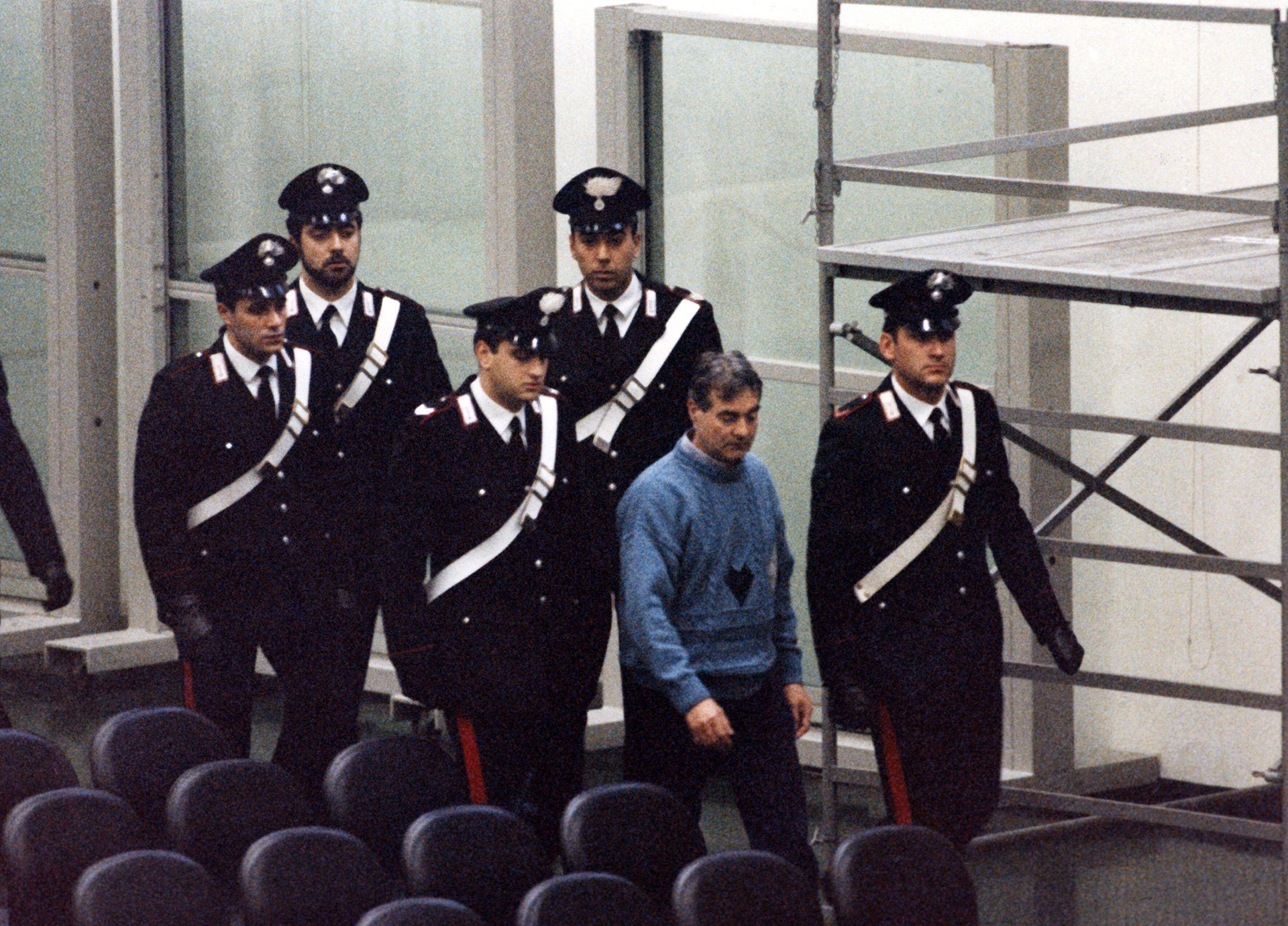
Although he was already in jail when I was growing up, it was a name that everybody knew but few dared to say aloud. Parents would warn their children in hushed tones not to associate with anyone who carried it. In Sicily, conversations about the mafia happen in lowered voices, whispered inside homes. We rarely name who we are actually talking about. “That one” is usually enough.
But my father and I had both left Sicily years before. He isn’t an openly emotional man and usually avoids potentially difficult subjects like the mafia. Why had he picked up the phone about this?
Everything was fine, he insisted when I asked.
He just said it was important to report Santapaola’s death as it was related to where we were from, and that was all.
It felt to me like he needed to talk, but somehow didn’t want to. The tension in his voice and his evasiveness felt familiar. It unsettled me.
In the months since, I have tried to make sense of the call.
Those reflections took me back to my childhood years in Catania, and to events that changed the course of my father’s life.
I am a child of the 1990s. I have good memories of that time, despite my parents’ divorce and seeing my father only once a week, as courts in Sicily typically allowed back then.
I remember my father often being stressed, often on the phone. But the moment he would turn toward me, he would smile, always a big smile.
In Sicily, that’s what we do. We pretend everything is fine. We complain endlessly, yet we accept things as they are.
My father said the same. Everything was always “fine.” No worries. “I am fine, amore mio.”
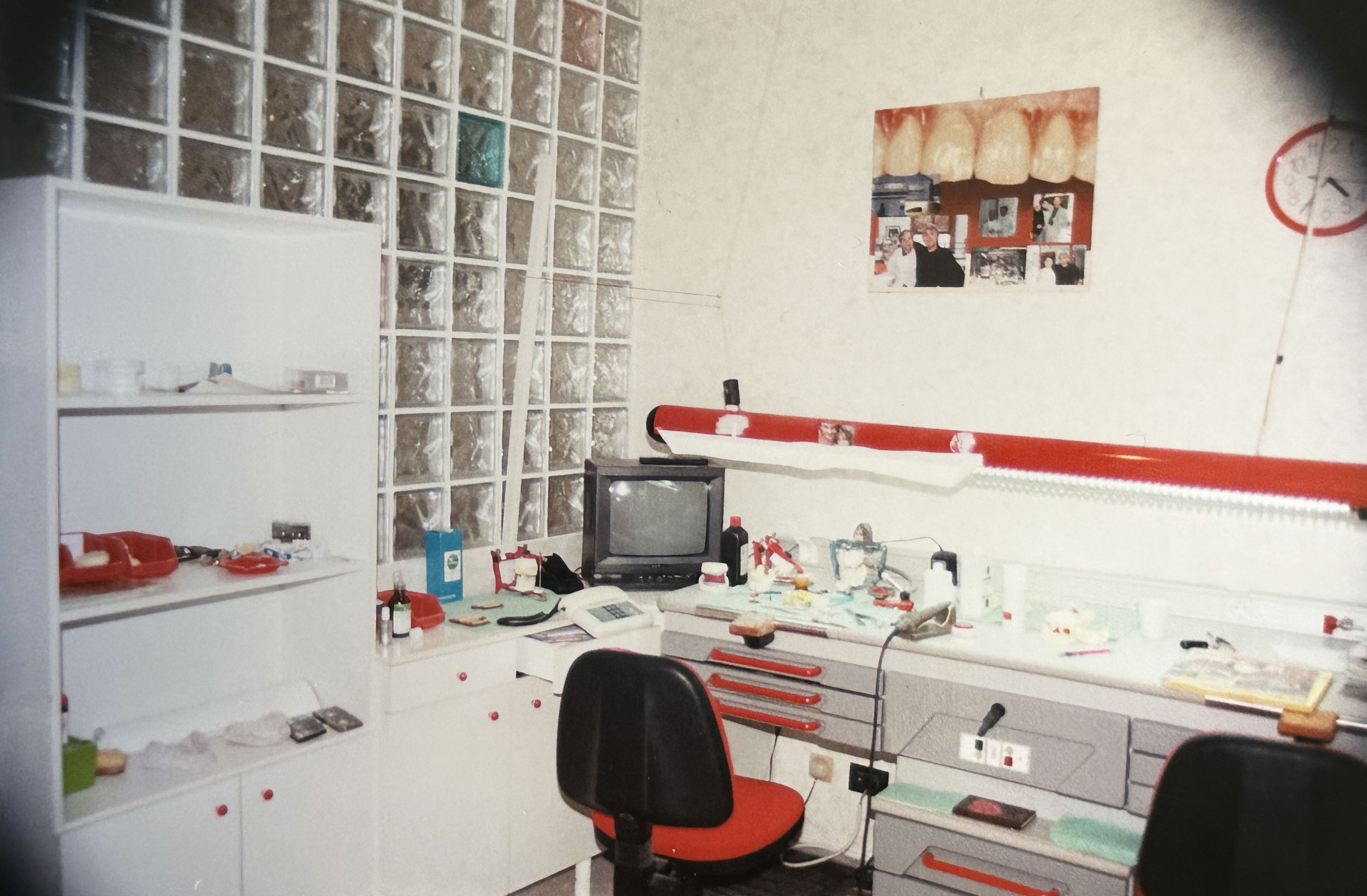
He was a dental technician in Catania and in the mid-late 90s had poured his savings into opening a studio with another dentist.
My father built much of it himself, wiring, painting, even constructing a glass-brick wall that separated the rooms, a classic 90s design detail. The bricks were heavy, he used to say, but the result was solid and clean. He was proud of that wall.
The business grew quickly. Patients filled the waiting room. People would stop him at the grocery store or in cafés to thank him.
Once, at a café, a tall elderly man with a youthful grin told me: “I can eat again thanks to your father, he did a wonderful job.”
But success in Sicily does not go unnoticed. When you run a successful business and you are not part of the mafia, the mafia will come to you.
It’s called pizzo. It translates loosely as “protection,” but it functions entirely as extortion.
A “contribution” to support the “brothers” in prison and their families, this is what they will say. If you refuse to pay, there will be consequences.
At the time, Catania was gripped by violent power struggles between organized crime groups. A report by the Italian Parliamentary Anti-Mafia Commission described the city’s crime rate as “dramatically high” with the murder and attempted murder rate often hitting more than 100 a year.
Extortion of local businesses was common.
The Commission’s report came a few years after Santapaola was jailed for orchestrating the most infamous mafia hits of that decade: the 1992 bombings that killed anti-mafia prosecutor Giovanni Falcone and his colleague Paolo Borsellino.
As a child, I remember men standing near the dental studio, observing me and my father. I would smile at them, assuming they were grateful clients, or my father’s friends.
It wasn’t until I was an adult that my father gave me some idea of who these men really were – and why that dental business had shut down five years after its opening.
I first learned about it one autumn day a few years ago, when I was visiting him in northern Italy, where he now lives.
The drive from the airport to his home takes nearly two hours. Just enough time to listen to the greatest hits of Stevie Wonder, Whitney Houston, and Phil Collins. It’s what he describes as “soft music” and he loves it. Sometimes my father likes to introduce random English phrases like this in our conversations.
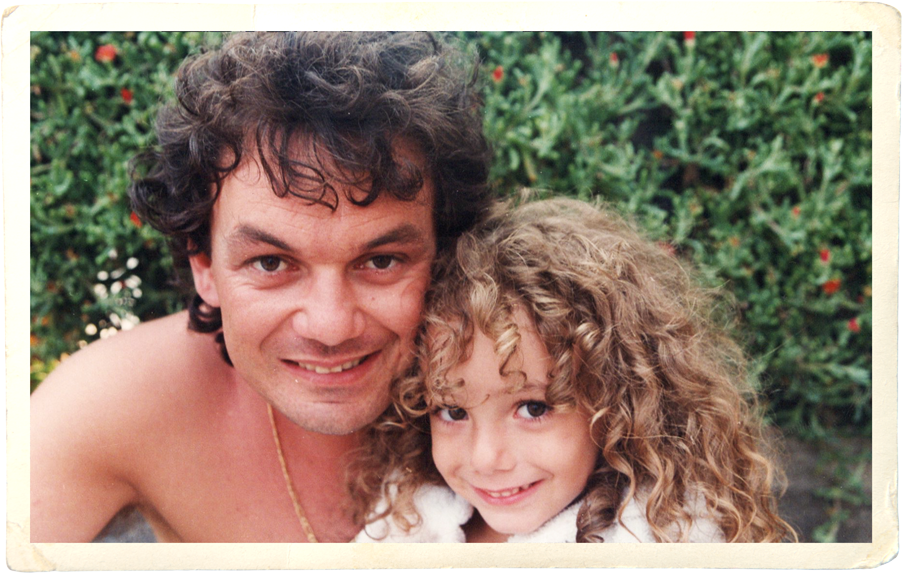
Earlier that week, I had come across old photographs from the 90s. In them, my father and I shared the same big curly hair. We both looked very young.
For the first time in my life, I asked him about why he closed the dental studio.
He hesitated before answering.
“You’re grown now. I can tell you,” he said. “But don’t feel bad about it.”
He told me how men began visiting him, making financial demands, or expecting dental services for free. He didn’t know which mafia clan they belonged to. My father told me he refused to pay them — and then the threats became more frightening.
“They said, ‘You see that little girl with curly hair? We will make her disappear,’” my father told me.
That little girl was me.
To end the threats, my father said he had contacted an acquaintance, someone who knew someone else, who could negotiate with the right intermediaries.
Like other Sicilian people in his situation, he was too afraid to talk to the police. In Sicily, due to mafia infiltration within the authorities and law enforcement, we had to learn to deal with those things by ourselves.
Eventually, they left us alone, my father said.
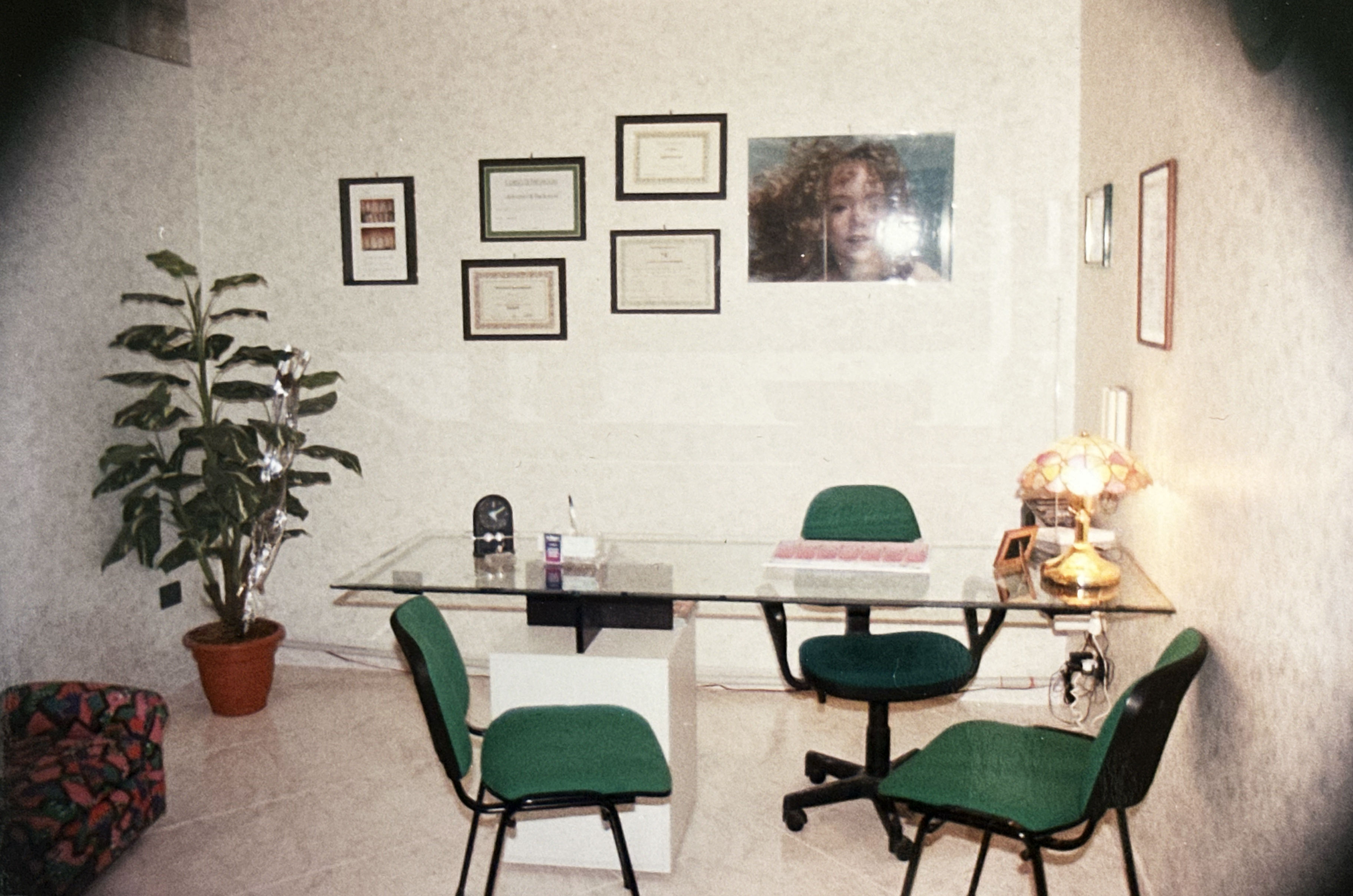
But the business seemed to go downhill – the last time I visited it as a child, the only things left in the once vibrant studio were the dentist’s chair and the desk where I used to sit and write letters to my father, asking him to work less, so he could spend more time with me.
After the business shut, he moved between jobs, he gained weight, and the quiet confidence that once defined him began to disappear. Eventually, when I was older, he decided to move away from Sicily.
From conversations we have had since he called me on the day of Santapaola’s death, I know that it made my father think back to the way in which he was targeted by local mafia.
He told me that he was not at peace with his decision not to go to the police at the time. I have reminded him to be gentle with himself, that he did what he believed was safest at the time to protect his family.
I feel that my father’s call wasn’t really just about a news story — it was about remembering how the mafia in Sicily can take hold of people’s lives.
In Catania, local authorities and Archbishop Luigi Renna denied Santapaola a public funeral to avoid any glorification of the mafia.
But criminal systems do not disappear with the death of an individual.
Growing up, I watched classmates drift into arrests and prison sentences. Even today I see how people I know in Catania are affected by the mafia — the brother of a childhood friend was arrested before he had even turned 18.
It’s something that made me internalize a suffocating logic early on in life: keep your head down. Speak carefully. Shining too bright carries risk.
There is a sense that you have no real power. You can’t trust the authorities. Voting changes nothing. Life is like this. That’s what people say.
But there is also another layer to it, one that follows you even after you leave.
No matter how far you go, you are still “from Sicily.” And Sicily, in the international imagination, is too often reduced to one word: mafia.
That weight travels with you.
It shapes how others read you, and how you read yourself.
Years of living alongside the mafia affect the mentality of many people who grow up in Sicily. You learn not to wish for too much, because something bigger than you can always take it away. You learn to be grateful for whatever comes.
Sometimes, it’s only after leaving the island that you realize that personal safety, the chance to flourish at work, and labor protections should be a basic right, not a favor.
Sicily is still linked to a glamorized image of the mafia, and Sicilians often cope by turning that stereotype into a tourist attraction. In the tourist hotspot of Taormina, souvenir shops sell The Godfather cooking aprons and fridge magnets. In the Sicilian countryside, you can take tours to visit the locations where the movie was shot.
But for me, Sicily is not a criminal network or a headline.
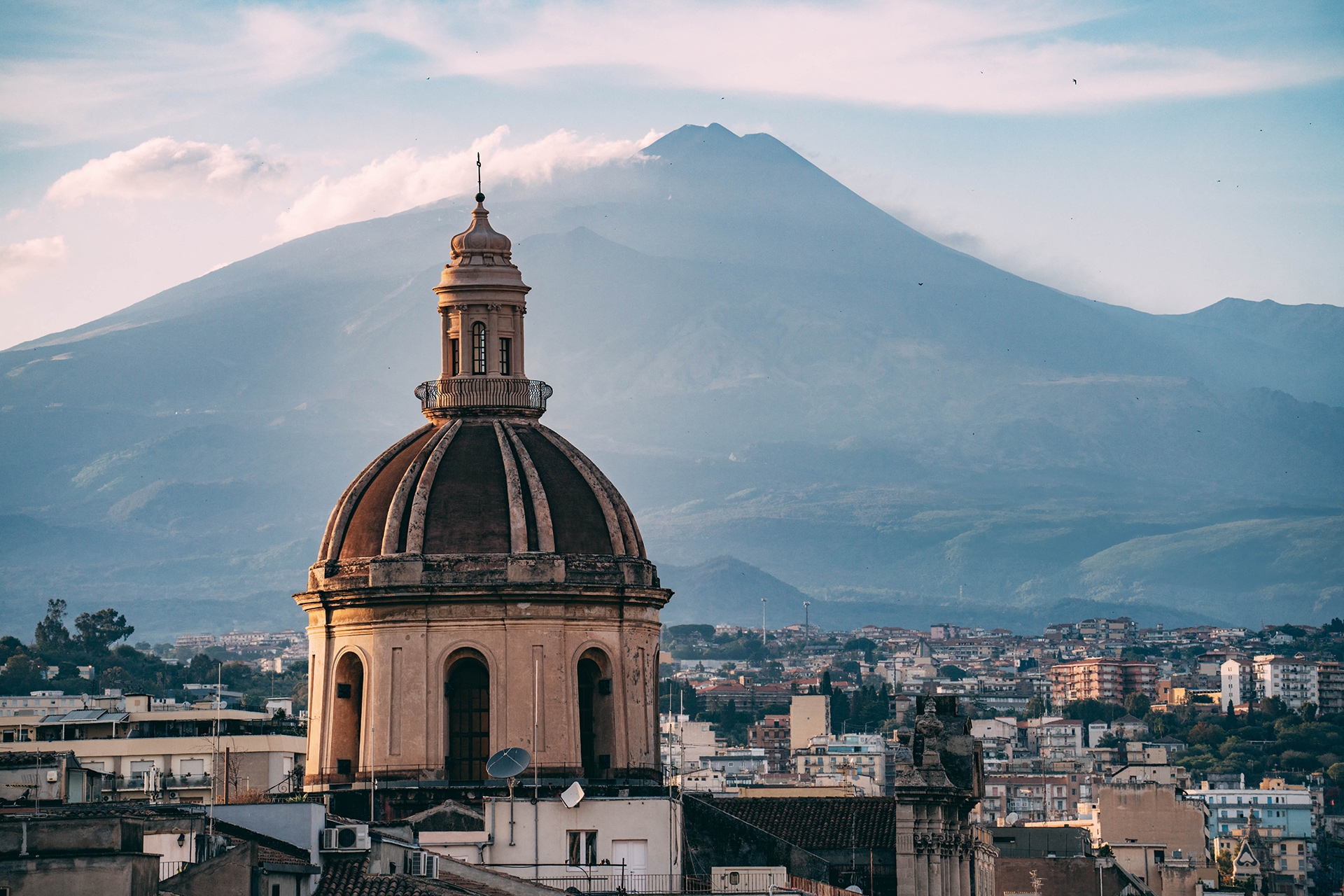
It is the smell of fresh almonds and lemons in a garden. It is beer with friends while watching Mount Etna erupting against the night sky. It is chaotic open-air markets, loud and imperfect. It is relentless creativity.
Sicily is not Nitto Santapaola. Sicily is not the mafia.
Sicily is the people who, with restraint and resilience, continue to build, despite the pressure to remain small. It is the young professionals who leave, study abroad, and then return, bringing skills, perspective, and stubborn hope.
It is the citizens who refuse extortion, the entrepreneurs who document threats, the journalists and magistrates who insist on challenging abuses of power.
In a television interview in the year before his death, Giovanni Falcone, the magistrate assassinated in 1992 said: “The mafia is not at all invincible. It is a human phenomenon, and like all human phenomena, it has a beginning and it will also have an end.”
I want to believe that. With stubborn hope.
My father left Sicily at 45 to start again from scratch.
He recently turned 60. He still complains about missing the sun, the sea, and the granita of Catania. But he rebuilt himself.
This is for you, Dad.
And for everyone who, even when they feel forced to leave the island of fresh lemons, carries that same stubborn hope.