FOR MANY YEARS, the seaside Port-au-Prince neighbourhood of Cité Soleil has been something of a symbol for Haiti’s struggles.
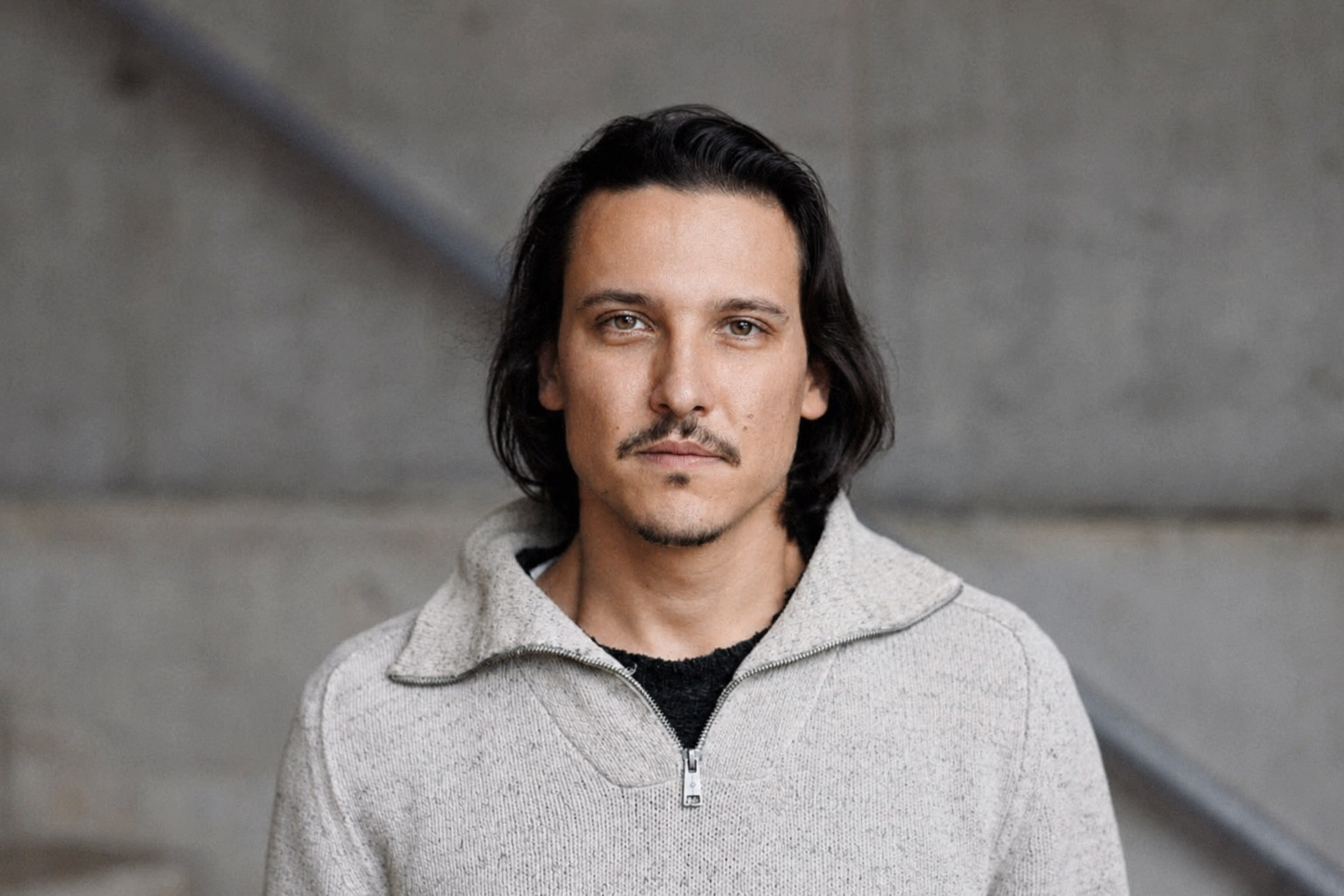
“Growing up in Cité Soleil was like growing up in the midst of a paradox,” said Gladimy Jean, 31, who founded Le Paradis Haitien, a sustainable tourism organisation that works for the benefit of local development and hosts tours throughout the country.
“It’s a place often described through poverty and violence, but [it was] where I discovered the power of the konbit [a tradition of communal work in Haiti], solidarity and human dignity in their purest form.”
Today home to more than 200,000 people, Cité Soleil – which has officially been its own city since 2002 but remains intricately linked to the urban sprawl of Haiti’s capital – has for years encompassed some of the struggles that Haiti’s youth have confronted.
First built in the late 1960s – and then named Cité Simone after Haiti’s then- First Lady Simone Duvalier, the wife of dictator François Duvalier – the suburb has, like many other impoverished areas in the capital, become the first stop in Port-au-Prince for young people leaving the countryside to make a better life.
In the years leading up to and beyond the 2001 return to the presidency of Jean-Bertrand Aristide, the president and his Fanmi Lavalas party nurtured a network of armed supporters in marginalised communities as a kind of praetorian guard. After Aristide’s 2004 overthrow, the practice metastasised so many political currents in the country had their cadre of gunmen (referred to as baz , or base , in Creole) and the gang leaders themselves grew ever-more powerful. They eventually overtook their patrons in the country’s economic and political elite.
For the last 25 years, Cité Soleil has paid a heavy price as different groups and their armed proxies vie for power. But the picture of Cité Soleil as an area of relentless and hopeless misery is a deeply distorted one. And when one looks at younger generations of Haitians that are trying to change their country and express themselves against great odds, Cité Soleil has become the nerve centre of that battle.
“I was frustrated to see that our country, despite its rich culture, history and landscapes, was often reduced to its difficulties,” said Jean. “I wanted to offer an alternative: a space where [Haiti’s story] would be told differently, through the beauty of its people, traditions, and places. Le Paradis Haïtien was born from this desire to change the way people look at our country, not by denying its challenges but by highlighting its strength, creativity, and potential.”
Another youth group Leaders De Demain, also founded in Cité Soleil, has sought over the last nine years to educate young people in leadership, entrepreneurship and personal and collective development.
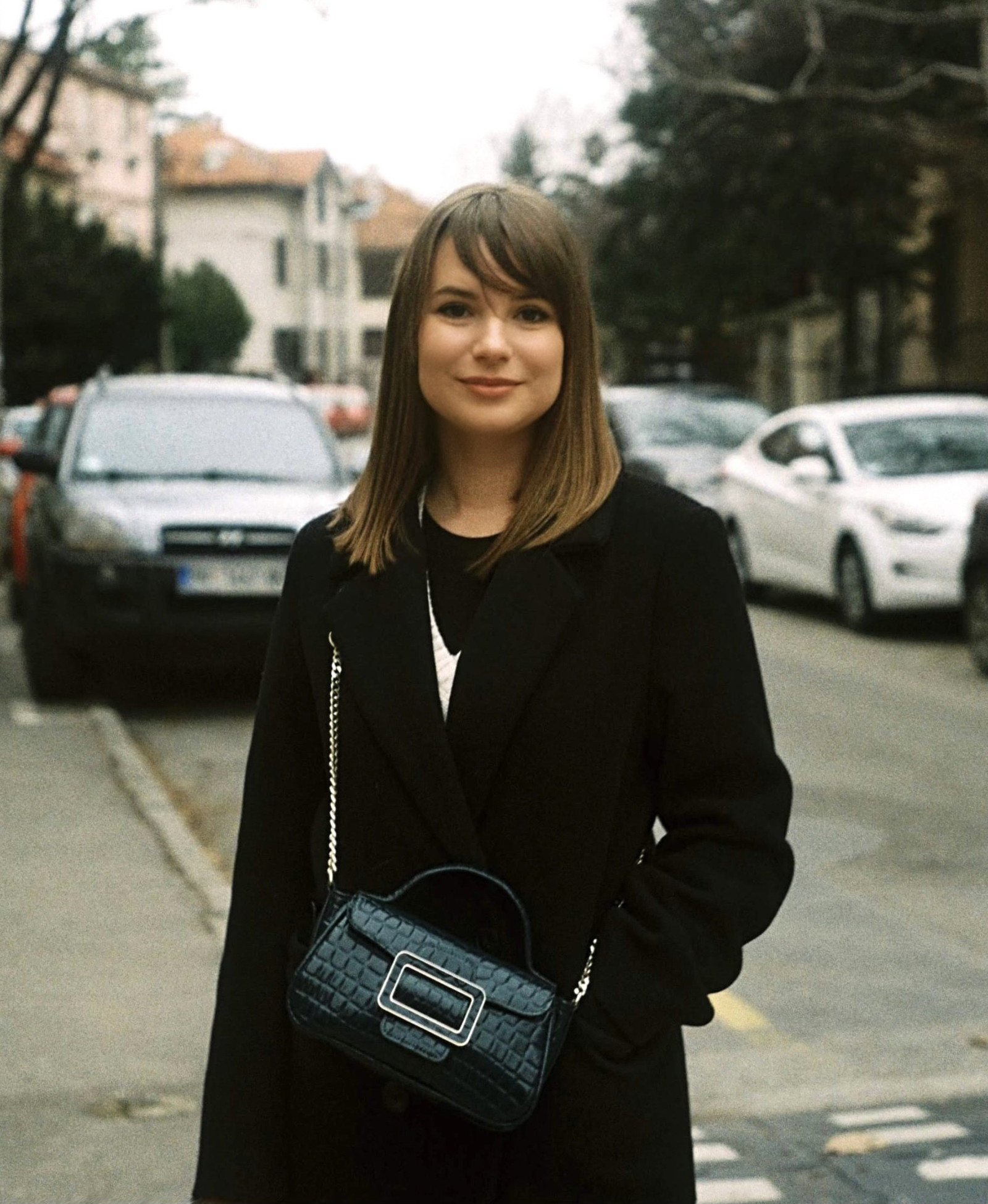
Founder Andy Vibert, 31, told Index: “At that time, many saw the area’s youth as a problem to be avoided rather than a potential to be unleashed. This stigma, prejudice and lack of opportunity was the starting point for a dream: to create a space where young people could express themselves, learn, get involved and, above all, believe in their ability to change things.”
But nowadays, with many of its members resident in areas controlled by one or other of the country’s myriad armed groups, the logistical hurdles for Haiti’s Gen Z to meet and express their desires are considerable, so Leaders De Demain are changing their approach and meet-ups are happening more and more online – except in quieter and more accessible areas.
The hurdles that Haiti’s young people confront as they try to express themselves are great and poets, writers and musicians have succombed like everyone else to the violence. In March 2023, Tchadensky Jean Baptiste, a student at the capital’s École Normale Supérieure and a promising young writer, was killed by a stray bullet on Port-au-Prince’s Champ de Mars plaza, a once-lively square that fronted the country’s National Palace (destroyed in the January 2010 earthquake). In recent years it has become the site of armed clashes between security forces and the gangs that dominate the neighbourhoods to its north, south and west.
In his final poem, Mwen kouri (I Run), written in Haitian Creole, Jean Baptiste wrote: “I run until my breath runs out ... I’m sweating, I’m out of breath ... We are looking for a corner to hide our lives.”
One of Cité Soleil’s most gifted musicians, Gueldy René, a troubadour of the district’s hopes and struggles, also died in 2023 after being unable to receive proper medical care. At around the same time as these deaths, a social media trend began of young Haitians posting photos of themselves with the hashtags #JeVisEnHaïti (I’m Living in Haiti) followed by #JeVaisMourirBientôt (I’m Going to Die Soon).
I was in Port-au-Prince in the autumn of 2024, six months after the ousting of the prime minister Ariel Henry. Haiti since then has been governed – perhaps “presided over” would be a better description – by a hydra-headed nine-member Conseil Présidentiel de Transition (CPT).
I visited the great Haitian writer and artist Frankétienne shortly before his death and found him worried about the country’s cultural degradation as he told me: “There are no theatres, there are no conferences, there are no painting exhibitions, there are no literary clubs, there are no youth clubs, there is nothing left. We are destroyed.”
It was a sad admission because, for years, people coming to Haiti have been startled by the immense depth of the country’s cultural production. The country’s music is a rich bouillabaisse of different genres, from the sinuous ebb and flow of konpa to the driving vodou-influenced rhythms of rasin to the electronic pop of rabòday to declamatory incarnations of hip-hop and reggae and multiple iterations of various forms of electronic dance music.
Its visual art has traditionally been stunning in its breadth and, year after year, Haiti produced writers who sought to shape the dialogue that the country – the site of the world’s only successful slave rebellion – has with itself and the outside world.
Even in its current dire times, Haiti’s new generations refuse to give up. “The biggest misunderstanding is believing that Haiti is all about suffering,” said Jean. “We often forget that it is a country born from an act of universal freedom, a symbol of dignity and resistance.
Many are unaware of the depth of our culture, the richness of our heritage and the creativity of our people..Throughout the country, young people, artists, entrepreneurs and community leaders work every day to build a stronger society.
This article first appeared in Index on Censorship's winter 2025 magazine issue, Gen Z is revolting. Find out more.