Countries like Japan, France, and Korea are praised for balancing the past and future between upholding cultural heritage and embracing technology. Australia, on the other hand, is seen as a young country. Australia is new, having only become a Federation in 1901 – 125 years ago. In 1606, Europeans encountered what was then called New Holland by a Dutch navigator. In 1788, the representatives of the Crown landed on the east coast of the continent with intention to claim the land and its resources.
Indigenous Australians make up an estimated 350 language groups and clans. Approximations by scientists often date Indigenous people arriving to the continent to 80,000 years ago. The truth is we have always been here.
Our sense of time undoes the settler fantasy based on a young identity with no claim to actions of the past. Settlers profit from the erasure of Indigenous peoples as it means their futurity on our land is uncontested and the end justifies the means. Too bad for them - we’re here, we always were and always will be here.
In a feat of mental gymnastics Settlers often claim Indigenous Australians were uncivilised and had no claim to the land despite being the oldest living cultures in the world. We do not belong in a young nation given that we are the oldest living cultures in the world.
If youth were to be considered, it should be in the area of raising the age of criminality responsibility. In Australia, a child at the age of 10 years old can be arrested and face charges resulting in prison. The #RaiseTheAge campaign is advocating for raising the age, highlighting how these laws impact Indigenous children the harshest.
This removal of children from families and home environments has been an ongoing issue for decades, beginning the implementation of the child removal policies that put Aboriginal children in the care of the state and led to the creation of the Stolen Generations.
These actions stem from settler domination of Indigenous land, people and resources by the colony. The Settler depends on the rationalisation of its own crimes and existence on this continent.
Australia lacks a true identity, opting to build a sense of nationalism through domestic creations and war efforts. Settlers fought for this country and made ANZAC bikkies, so how are they not Australian? If one keeps questioning their reasons, it’ll come down to a sense of domination and righteousness because Indigenous people were not as strong as gunpower or lacked immunity to smallpox. It is all our fault and there is nothing they can do to change the past, so get over it.
For that, I won’t call out the hypocrisy, or blatant misinformation. Instead, let’s focus on the future. A future where Indigenous peoples, language, culture and our Countries and Islands are happy and healthy. No endless grassy parks, empty blue skies, and glassy skyscrapers; instead, there are burn offs, native trees grow high without the fear of being cut down, no more extinctions of native animals, children grow until they are old, we celebrate more than we mourn, and the sea only grows with the size of the moon.
Let’s focus on a future written by First Nations peoples. Let’s read more speculative fiction by Indigenous writers. It’s a difficult pill to swallow, as there is a sense of gatekeeping around who can imagine the future and dare to write about it.
Settler stories centre on the loss of things that have been “rightfully earned” exposing the fear of being subjected to Indigenous realities, foreign threats, manmade ecological destruction, assimilation propaganda or the blatant demonisation of Indigenous bodies / land and rightness of Whiteness.
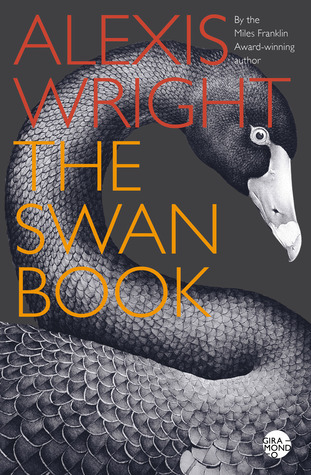
Indigenous speculative fiction writers, like Alexis Wright, focus on exploring the colonial project and its goals whilst demanding accountability and a deep desire for land and peoples to be healthy. Indigenous Spec-Fic is a mirror to the state of things in a colony – now, then, and always.
Time for Indigenous peoples is not linear. It is an overlapping spiral where the past, present and future are happening all at once. It is called the Everywhen. Indigenous writers can imagine the apocalypse because our Ancestors lived through it. It is the consistent efforts of the people before us who push us forward. We know the direction of the future because of our past. Country is telling us the way, we just have to listen.
Author's Reading Suggestions
The Swan Book by Alexis Wright
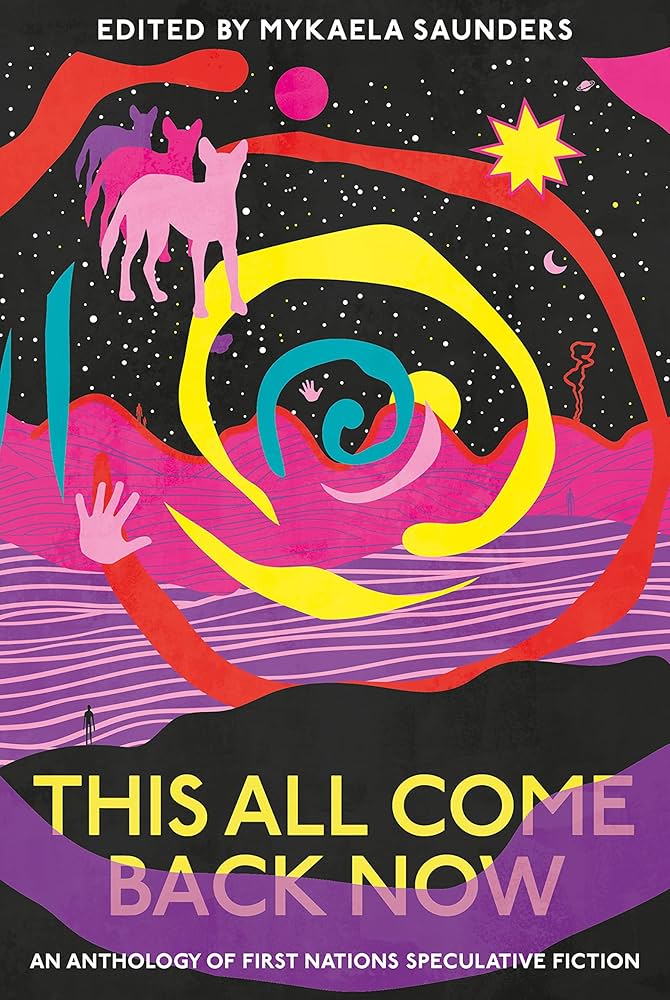
This All Come Back Now: An anthology of First Nations speculative fiction by Mykaela Saunders
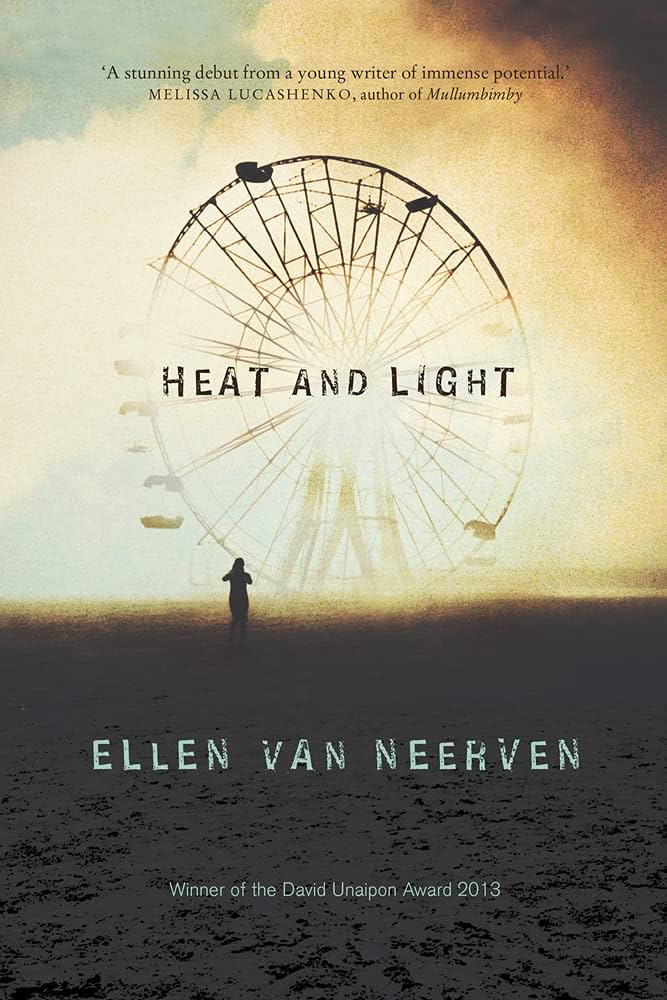
Heat and Light by Ellen Van Neerven